
In much of Bihar, birth still shapes destiny. For a young person growing up in one of India’s most under-invested districts, the obstacles are rarely a lack of ability. They are a lack of aspiration, a lack of someone who has shown them what is possible, and a near-total absence of the skills and pathways that connect effort to opportunity. The ideas and tools that define the 21st century economy, coding, digital literacy, critical thinking, leadership, have simply not reached the villages where these young people grow up. And without them, the cycle of poverty that shaped their parents’ lives tends to quietly shape theirs too.
One organisation, rooted in Bihar and working across its most underserved districts, set out to change this. It began with a straightforward belief: that young people from rural Bihar, given the right support, are capable of leading change in their own communities and beyond.
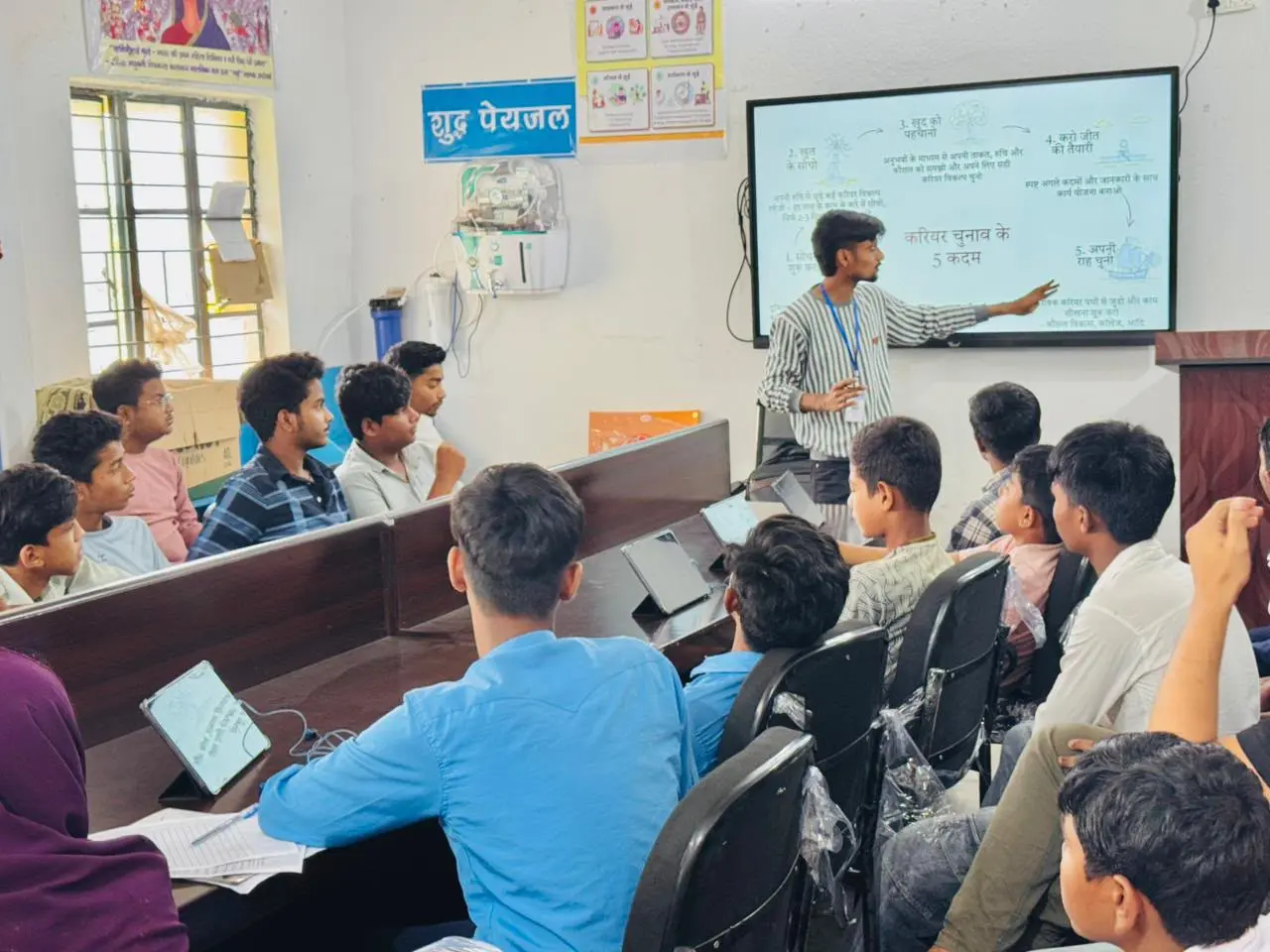
At the heart of this work is an investment in young women as coders, thinkers, and leaders. Girl-focused coding programmes bring technical skills to young women for whom a computer was previously an unfamiliar object, building not just employability but confidence and a sense of what they are capable of claiming. Youth leadership programmes train young people to identify problems in their own villages and work toward solving them, developing civic agency alongside practical skills.
The model threads through several areas: arts and theatre to carry ideas into communities where formal outreach falls flat, construction and land design rooted in local knowledge, and a campus conceived as a space where rural and urban Bihar can learn from each other. Throughout, the focus stays on mobilising youth, connecting them to skilling and apprenticeships, and building a lasting ecosystem of opportunity in a state that has long been treated as an afterthought by those building India’s future.
The measure of success, here, is a long one. It is whether a young woman who grew up watching her parents labour without security can write her own story. Whether the skills and ambitions she develops travel back into her community. Whether, a generation from now, where a child is born in Bihar matters a little less than it does today.