For a family living in a village in rural India, reaching a specialist doctor has traditionally meant a long journey, a day of lost wages, and a bill that can tip a household into debt. By the time they arrive, a condition that could have been caught early has often progressed. This is the texture of healthcare access across much of rural India, where Community Health Centres face a shortfall of roughly 80% of the specialist doctors they require (Rural Health Statistics, Ministry of Health & Family Welfare, 2022–23).
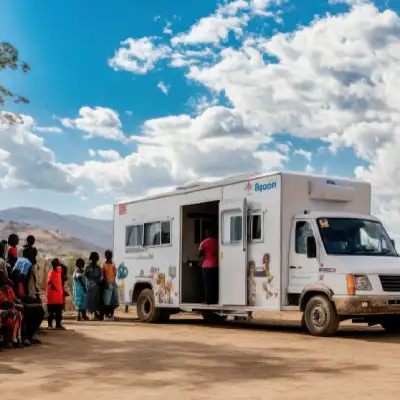
One organisation working in this space recognised that the public health system already has infrastructure on the ground. The work, then, was to layer specialists on top of what already exists. Telemedicine centres are placed inside existing Primary and Urban Primary Health Centres, connecting patients to a network of specialist doctors through video consultations, without requiring them to travel.
The patient journey is designed to be complete. A person arriving at a centre is screened, registered digitally, and connected to a specialist. They leave with a prescription, a referral where needed, and a follow-up pathway. Locally trained women health workers handle community outreach and patient navigation, extending the model’s reach into the surrounding villages. Records and outcomes are tracked on a shared digital system, giving each centre the ability to replicate across a new district without rebuilding from scratch.
Across several states in northern, western, and eastern India, the organisation has conducted over 1,09,000 consultations to date, generating an estimated ₹9 crore in patient savings. The current project aims to reach several thousand patients directly each year, with many more through awareness and outreach.
For a rural patient, the aspiration is simple: that a specialist is a short walk away, and that the cost of staying healthy is one a family can actually bear.
\